In-depth with BC²
Giving donors a look inside the biobank's commitment to transforming samples into impactful cancer research
What does the BC² biobank collect from its donors?
8423
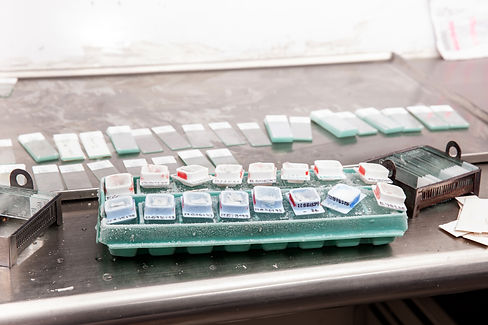
Biological Samples
Being a donor at BC² primarily means that the biobank has stored biological samples that were collected after you consented to the biobank. These samples could be tubes of blood collected during lab draws, pieces of a tumor or tissue from a surgery, extra bone marrow retrieved during a biopsy, or other bodily fluids such as urine.
If the biobank collects tissue from a surgery or other procedure, they only collect what would normally be discarded. For example, if a donor has surgery to remove a tumor, the biobank will only collect the tissue that is leftover after all the necessary clinical diagnostic tests are performed on the tumor.
Access to medical records
Being a donor at BC² also means that the biobank will have access to your medical records.
The biobank will link some of the information gathered from your medical records to your samples including:
-
Demographic information
-
Diagnosis
-
Staging data
-
Treatment history
The information gathered from your records are maintained in a secure database.
Information from your medical records may also be provided to researchers working on projects approved by the biobank. This information is de-identified, meaning that it will not contain any information that could be used to identify you (name, email or physical address, social security number, birthday, etc.).

How are samples and data kept secure?
To protect donor privacy, the biobank only shares de-identified or anonymized data with researchers. This means that the data will not contain a donor's name, address, birthday, or social security number. Here are some other ways the biobank protects donor's data:
• BC² does not give researchers access to donors’ medical records. Instead, the biobank will collect any information from medical records that a researcher might need and provide it to them. • If the biobank collects any information from a donor's medical record, this information is kept on a secure server designed to store and protect sensitive health information.
The biobank also takes the following steps to ensure that donor samples are secured:
• Samples are stored in a secure location on the Indiana University School of Medicine campus. Access to sample storage is provided only to staff and affiliates at BC². • Once a researcher receives approval to use donor samples, members of the BC² team will retrieve donor samples from storage, prepare them for delivery, and then ship them to the researcher. • Donor samples do not have donors' names attached to them. The samples are given an identification number that can only be identified by biobank staff.